Dreaming about weekends on Smith Lake or a full-time move to the water? In Crane Hill, the view can be the easy part. The real work is making sure the property fits how you want to use it, finance it, and maintain it long term. If you are thinking about buying Smith Lake property in Crane Hill, this guide will help you focus on the details that matter most before you commit. Let’s dive in.
Why Crane Hill draws Smith Lake buyers
Crane Hill gives you access to one of Alabama’s best-known lake settings while still sitting within reach of larger regional cities. Cullman County places the area between Birmingham and Huntsville, which helps explain why many buyers look here for weekend homes, second homes, or a lake-centered lifestyle.
Smith Lake itself is a major Alabama Power storage reservoir on the Black Warrior and Sipsey Fork system. Alabama Power lists the lake at 21,200 acres with 713 miles of shoreline, about 35 miles in length, and a maximum depth of 264 feet. It is known for recreation, fishing, quiet inlets, and open water, but it also serves power, drinking water, wildlife habitat, and flood control.
That mix is important because Smith Lake is not just a scenic backdrop. Water levels can change seasonally and during drought or flood events, so your buying decision should go beyond the house and into the shoreline, access, and use rights tied to the property.
Start with the shoreline
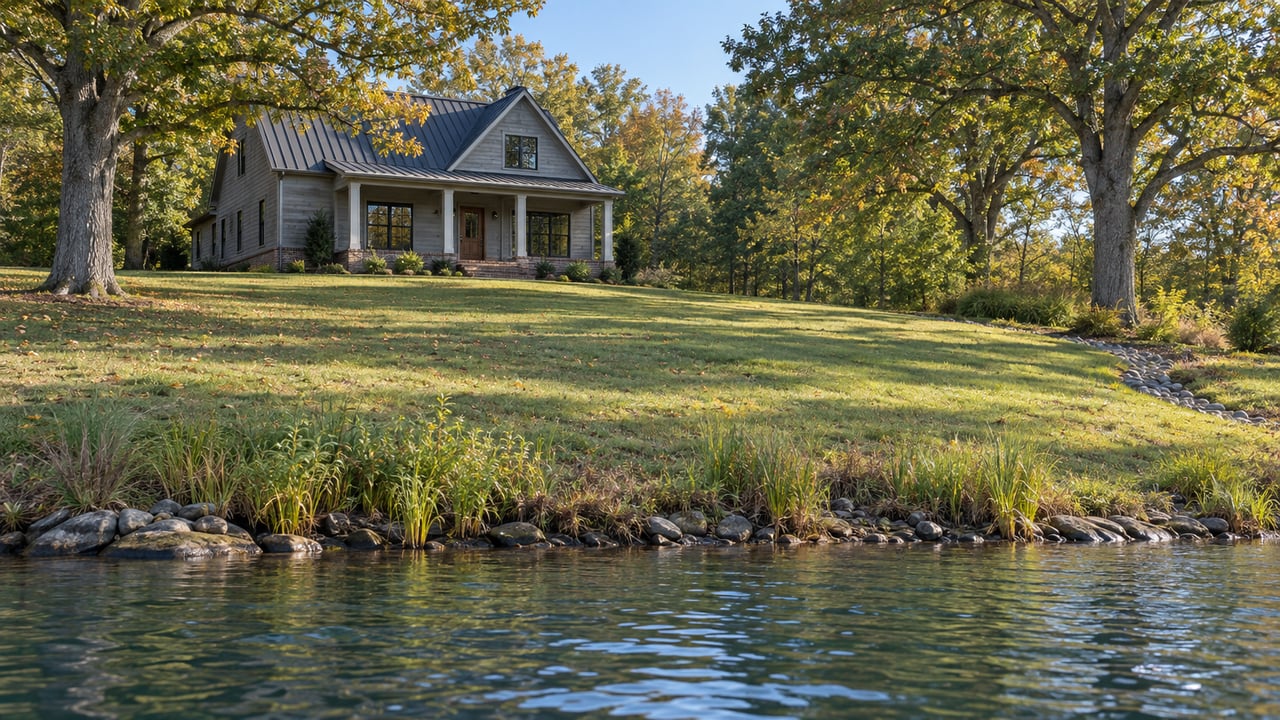
When you buy on Smith Lake, the shoreline can matter more than the floor plan. Two homes with similar square footage can offer very different lake experiences depending on slope, water depth, cove position, and whether shoreline improvements are allowed.
A property may look ideal in listing photos, but the practical questions are what shape the bank is in, how easy it is to reach the water, and whether you can actually use the shoreline the way you want. On Smith Lake, those are not small details. They can affect both daily enjoyment and long-term costs.
Check shoreline type and water access
Start by identifying whether the property sits on a sheltered cove, open water, a point lot, or a steeper bank. Quiet water may feel different from open water, and a steep lot may affect how easily you can reach a dock or carry gear to the shoreline.
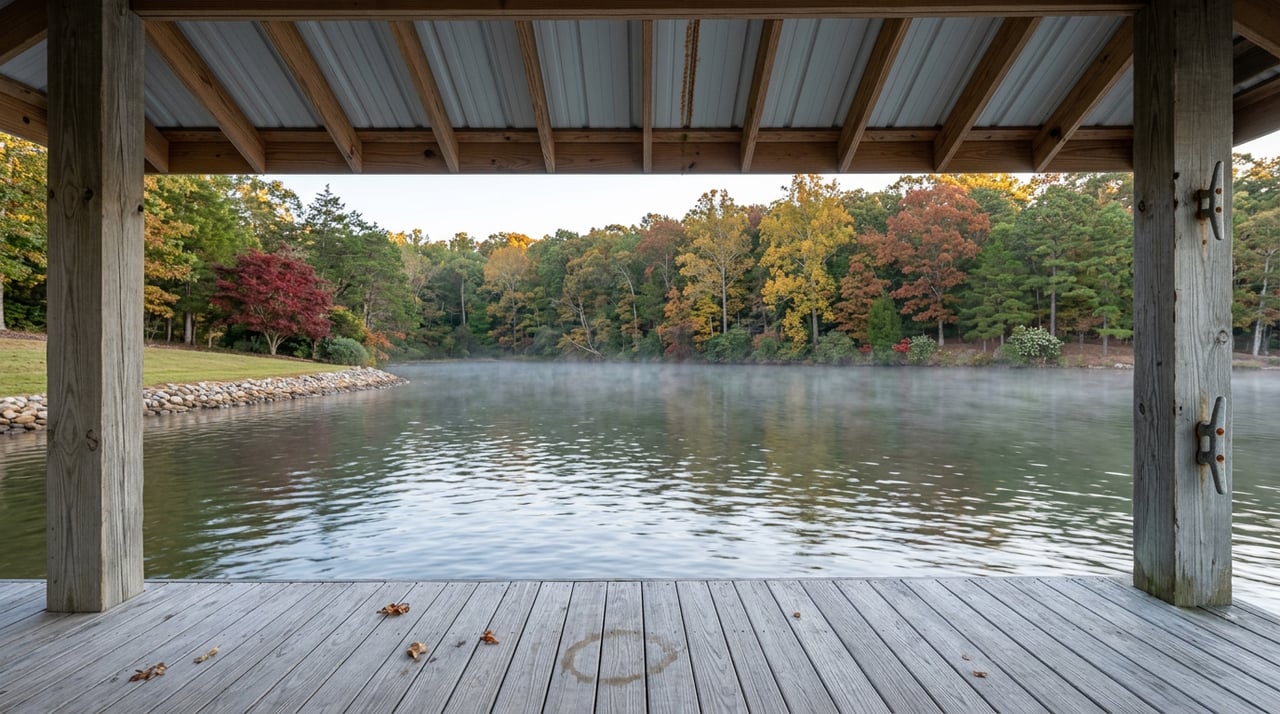
You should also ask about water depth at the dock area, especially if boating is part of your plan. Because Smith Lake water levels can change, depth and usability can look different at different times of year.
Confirm dock and structure status
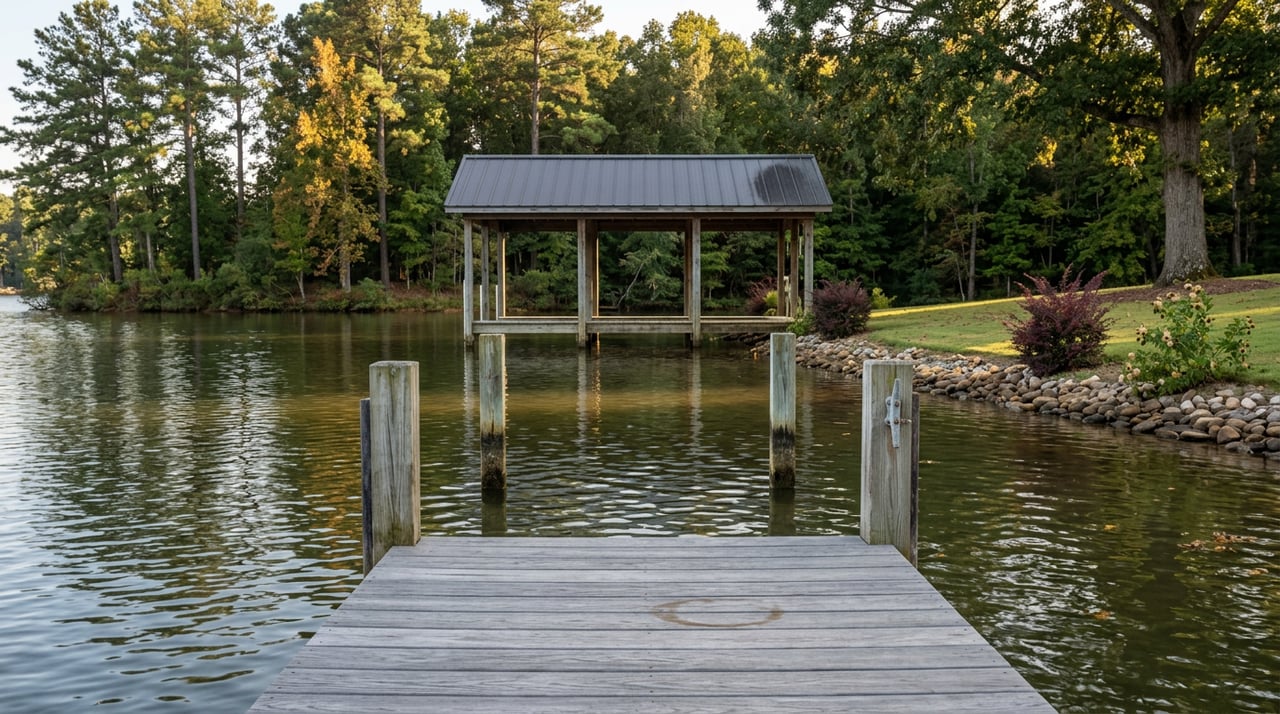
Alabama Power’s Smith Lake guidelines cover docks, piers, boathouses, walkways, ramps, seawalls, riprap, dredging, and shoreline grading. The company states that landowners do not automatically have the right to place structures on Alabama Power fee-owned lake property.
Just as important, Alabama Power requires a written permit before construction or significant repair work begins. The guidelines also describe a typical 15-foot setback from the property line extension into the lake, subject to Alabama Power’s discretion. That means a property marketed as lakefront still needs careful review if your plan includes adding or changing waterfront improvements.
Ask about erosion control
Shoreline stability matters for both safety and maintenance. Alabama Power says riprap and natural bank stabilization are the preferred erosion-control methods, while seawalls are reviewed case by case.
In some habitat areas, enhanced natural stabilization and seasonal work windows may apply. For you as a buyer, the takeaway is simple: do not assume the current shoreline condition can be changed easily or quickly after closing.
Review access before you fall in love
A great lake property still needs workable access. That includes road access to the property, access down to the water, and legal rights tied to any shared or off-water amenities.
If you are buying an off-water home or lot, ask whether there is deeded lake access, a community ramp, or a shared waterfront area. Also confirm whether those rights are governed by an HOA, POA, or subdivision rules.
Road access can affect financing
Access is not only a lifestyle issue. It can also become a financing issue.
Fannie Mae states that properties not readily accessible by roads meeting local standards are ineligible for conventional purchase financing. If a property has unusual access, private-road questions, or limited entry, it is smart to get lender feedback early.
Verify utilities and site readiness
Utility availability is one of the easiest places for buyers to make wrong assumptions, especially around rural and lake properties. In Crane Hill, you should verify each property on a parcel-by-parcel basis.
Cullman County Water Department serves more than 14,000 customers across several counties, but that does not mean every Smith Lake parcel in Crane Hill has county water available. You need confirmation for the specific property you are considering.
Water, septic, and wells
If public water is not available, you may need to look at private well options. The Cullman County Health Department handles permits related to onsite sewage, septic tanks, grease traps, holding tanks, and private well water testing.
That makes septic approval and well testing an important part of due diligence for many lake lots and rural properties. If you are buying land to build, ask early whether the site can support the utilities your plans require.
Buildability is more than lot size
Cullman County subdivision regulations call for septic-system plans, health-department approval when applicable, and water-distribution plans where public water is available. So even a large lot may have limits once setbacks, health requirements, and shoreline restrictions are considered together.
Before you write an offer on a lot, confirm whether there is enough usable area for the home, driveway, septic, and any outdoor features you want. A parcel can be large on paper and still have a smaller practical building envelope.
Check floodplain and drainage questions early
Cullman County’s Road Department provides resources tied to floodplain ordinances, NFIP development permits, elevation certificates, driveway pipe permits, utility facilities in the public right of way, and subdivision rules. That is a strong sign that floodplain and drainage review should be part of your early due diligence.
If you plan to build, improve the site, or install a driveway, ask whether a flood permit is needed and whether the lot has any drainage concerns. These details can affect cost, design, and timing.
Driveway and site access matter too
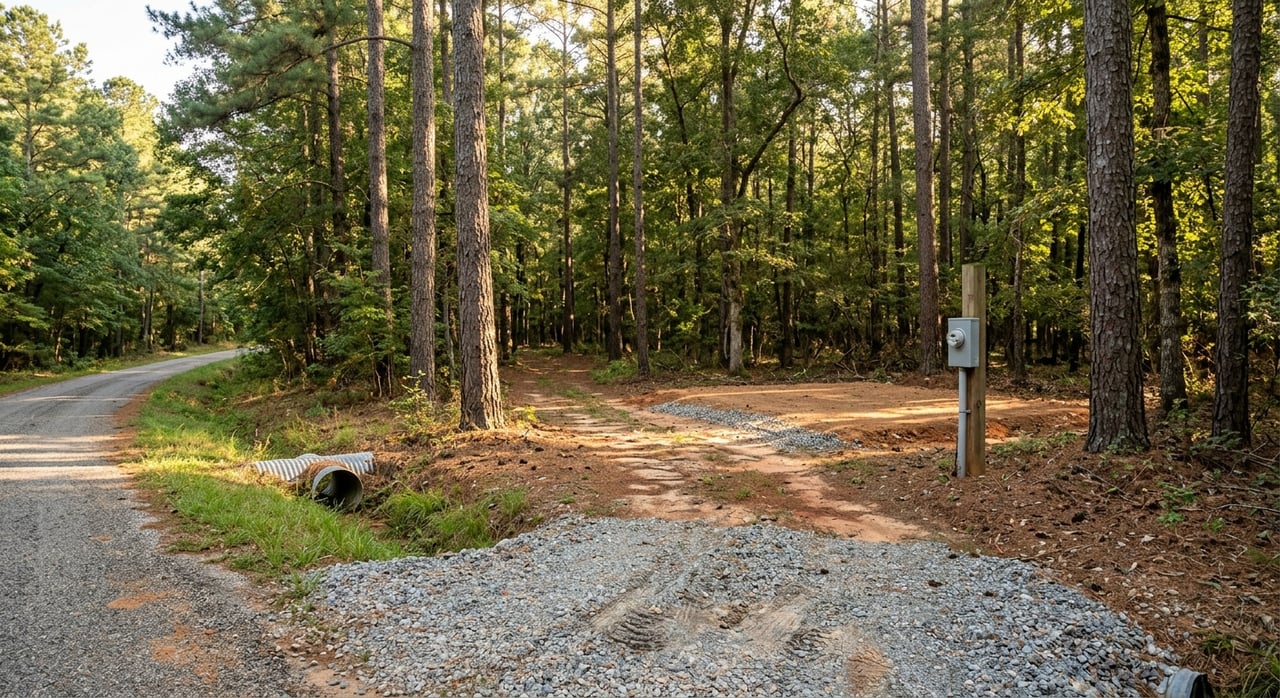
For a vacant lot, driveway feasibility can shape the whole project. A steep lot or one with drainage limits may require extra planning before construction can begin.
That is why it helps to evaluate more than just the view. You want to know how you will actually get from the road to the homesite and then from the homesite to the water.
Understand HOA and covenant rules
Private rules can matter just as much as county or shoreline rules. Alabama Power says it cooperates with developers and encourages compliance with covenants and design schemes in lake developments, and lots in its subdivisions may carry additional restrictions.
That means you should review HOA documents, recorded covenants, architectural-review requirements, and any boat-slip or shoreline-use rules before closing. A property may allow the home itself, but limit the dock setup, exterior changes, or shared amenity use.
Know which financing lane fits your purchase
One of the biggest surprises in lake property deals is financing. The mortgage options for a finished lake home are often very different from the options for a vacant lot or a larger acreage tract.
A simple way to think about it is to place your purchase into one of three buckets: an existing lake home, a buildable lot, or a larger acreage parcel. Each category can follow different lending rules.
Existing Smith Lake homes
Freddie Mac’s conforming standards allow a purchase mortgage on a second home up to 90% loan-to-value, while a cash-out refinance on a second home is capped at 75% loan-to-value. Fannie Mae says a second home must be occupied by the borrower for some portion of the year, be suitable for year-round occupancy, be a one-unit dwelling, and not be a rental property or timeshare.
For many Crane Hill buyers, that means an existing Smith Lake home may fit second-home financing if both the property and your intended use meet lender rules. It is still important to confirm that classification before you move forward.
Vacant lots and land purchases
Vacant land is different. Fannie Mae says vacant land and land-development properties are ineligible for its purchase or securitization, so raw lots often need a different financing product than an existing home.
If you are shopping for a homesite, ask lenders about land loans or construction-related options early in the process. That can help you avoid focusing on parcels that do not match your financing plan.
Larger acreage tracts
The CFPB notes that non-conforming loans are often used for properties with more than 10 acres, agricultural income, or appraisal challenges. That matters in rural lake markets where a parcel may include extra acreage or have features that do not fit standard lending boxes.
If you are buying a tract with acreage, unusual access, or a less common valuation profile, lender review should happen as soon as possible. The sooner you know your lane, the smoother your search can be.
Budget for down payment differences
The CFPB also notes that mortgage insurance is typically required on some conventional loans when the down payment is less than 20%. That does not mean every buyer needs the same structure, but it does mean your monthly payment may look different from what you first expected.
Lake property financing is rarely one-size-fits-all. Getting pre-approval is helpful, but getting property-specific lender feedback is even better.
Do not overlook property taxes
Tax treatment can vary depending on how you will use the property. In Cullman County, real property taxes are collected in arrears, due from October 1 through December 31, and delinquent on January 1.
Cullman County also notes that a single-family dwelling used exclusively by its owners may be assessed at the owner-occupied rate, sometimes called a second-home exemption, but it is not automatic and must be affirmatively assessed. Primary residences, second homes, and vacant lots can be treated differently, so it is worth asking about paperwork and timing before closing.
A practical Crane Hill buying checklist
If you want to avoid surprises, focus on the questions below before you commit to a Smith Lake property in Crane Hill:
- What type of shoreline does the property have?
- How easy is it to reach the water from the house or homesite?
- Does the property already have permitted shoreline improvements?
- If not, what may be allowed through Alabama Power’s permit process?
- Is there county water, private well access, or neither?
- Can the property support septic approval if needed?
- Is any part of the parcel affected by floodplain or drainage concerns?
- Does the property have legal and practical road access?
- Are there HOA, POA, covenant, or architectural-review restrictions?
- Will the purchase be financed as a primary home, second home, lot, or non-conforming tract?
- How will the property likely be taxed based on its use?
Why local guidance matters
Buying Smith Lake property in Crane Hill is exciting, but it also asks you to connect a lot of moving parts. Shoreline permits, utility questions, lot buildability, floodplain review, and financing type can all affect whether a property is the right fit.
That is why a practical, detail-focused approach matters. When you look closely at access, use rights, infrastructure, and lender fit before you buy, you give yourself a better chance of enjoying the property instead of managing expensive surprises later.
If you are considering a Smith Lake property and want a steady, local perspective on the details, Sherry Pruitt Real Estate is here to help you sort through your options and move forward with confidence.
FAQs
What should you check first when buying Smith Lake property in Crane Hill?
- Start with the shoreline, water access, road access, and whether the property’s current or planned lake improvements are permitted or likely to be approved.
Do Smith Lake properties in Crane Hill automatically include dock rights?
- No. Alabama Power states that landowners do not automatically have the right to place structures on its fee-owned lake property, and written permits are required before shoreline construction or major repair work begins.
Can you finance a second home on Smith Lake in Crane Hill?
- In many cases, yes, if the property meets conventional guidelines and the home is suitable for year-round occupancy, used by you for part of the year, and not treated as a rental property or timeshare.
Are vacant Smith Lake lots in Crane Hill financed the same way as homes?
- No. Vacant land often requires a different loan product because standard conventional purchase rules for existing homes do not apply the same way to raw land.
Do you need to verify water and septic service for Crane Hill lake property?
- Yes. You should confirm county water availability for the specific parcel and check whether septic approval or well testing will be needed.
Can HOA or subdivision rules affect Smith Lake property use in Crane Hill?
- Yes. Private covenants, architectural-review rules, and shoreline-use restrictions may add requirements beyond county and Alabama Power rules.