If you have been dreaming about a weekend place to hunt, ride trails, fish, or eventually build a cabin, buying recreational land near Double Springs can be a smart move. It can also come with a few rural-property surprises if you do not know what to check first. This guide will walk you through the practical details that matter most, from access and title to septic, water, and permitted use, so you can buy with more confidence. Let’s dive in.
Why Double Springs attracts land buyers
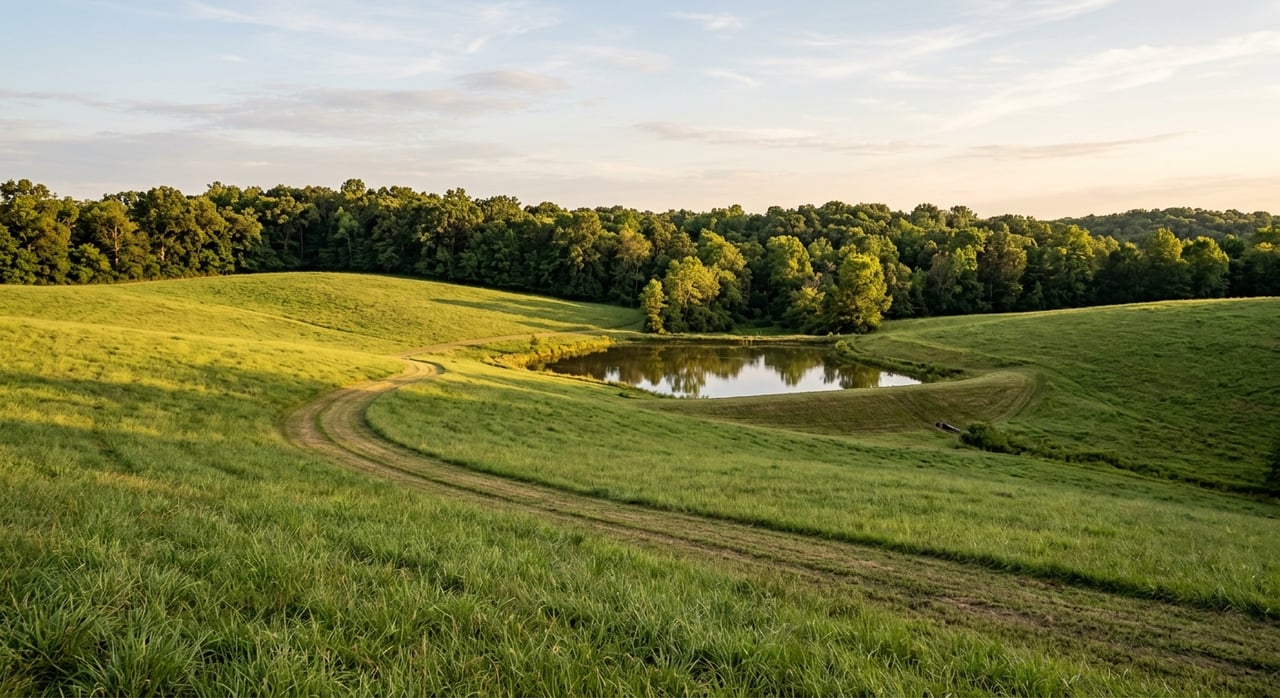
Double Springs sits in the Bankhead Ranger District of Bankhead National Forest, an area the Forest Service describes as having ridges, steep gorges, rock bluffs, and dissected terrain. For many buyers, that landscape is exactly the appeal. You get woods, varied topography, and a setting that feels built for outdoor recreation.
The area also offers a wide mix of activities on nearby public lands, including hiking, fishing, wildlife viewing, swimming, boating, horseback riding, camping, off-highway vehicle trail riding, and mountain biking. Clear Creek Recreation Area in Winston County adds day-use access to Lewis Smith Lake with a boat launch, plus boating and fishing opportunities. If you want land that supports a true outdoor lifestyle, Double Springs checks a lot of boxes.
Start with legal access
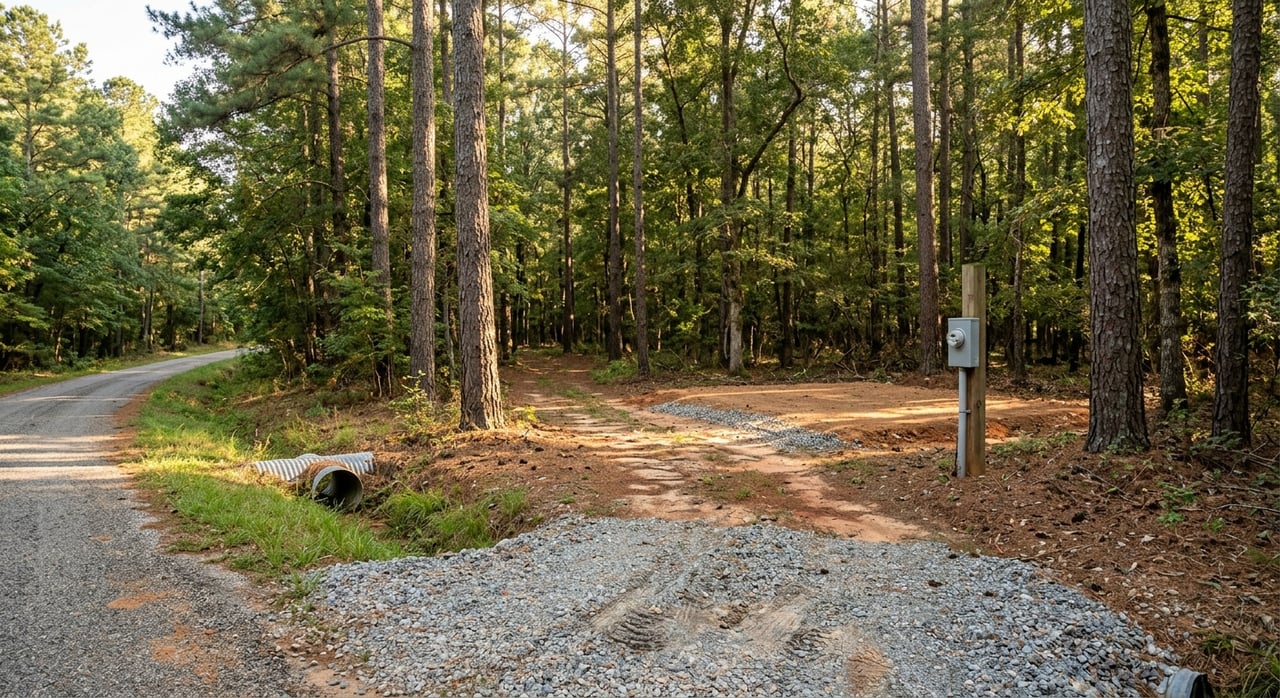
One of the biggest mistakes buyers make with recreational land is focusing on how pretty the tract is before confirming how you legally get to it. In rural areas, recorded access matters more than a driveway path or a woods road that appears usable today. If access is unclear, the property may not work the way you expect.
The Winston County Probate Office records deeds, mortgages, liens, and other public documents, and it offers public viewing stations for recorded information in Double Springs. That makes probate records an important first stop when you want to confirm the chain of title, recorded easements, and any documented access rights.
Questions to ask about access
- Is the access recorded in public records?
- Does the tract rely on an easement?
- Is the route through neighboring land or along a shared road?
- Does the property appear accessible on a map but depend on an unverified woods road?
If access depends on a Forest Service road or a route near public land, you also need to check whether that road is open to motor vehicles. The Forest Service advises buyers to use the motor vehicle use map for that purpose. A road on the ground and a road that is legally open are not always the same thing.
Check title and boundaries early
With recreational acreage, title and boundary questions can affect how you use the property from day one. You want to know what you are buying, where the lines are, and whether any easements, liens, or use restrictions are already attached to the tract.
This matters even more when a parcel borders public land or has irregular shape, creek areas, or multiple access points. A tract may look larger or easier to use than it really is until the records and survey details are reviewed. Taking the time to confirm those details early can help you avoid expensive surprises later.
Understand shoreline rules near Smith Lake
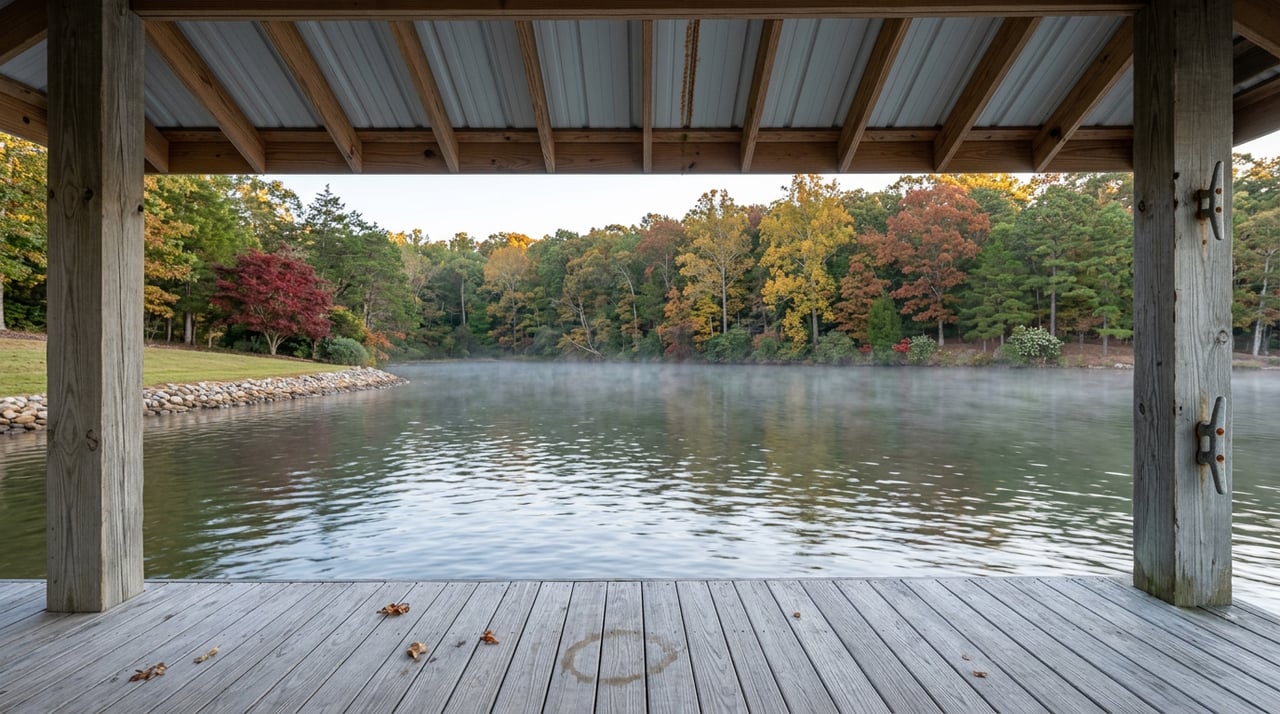
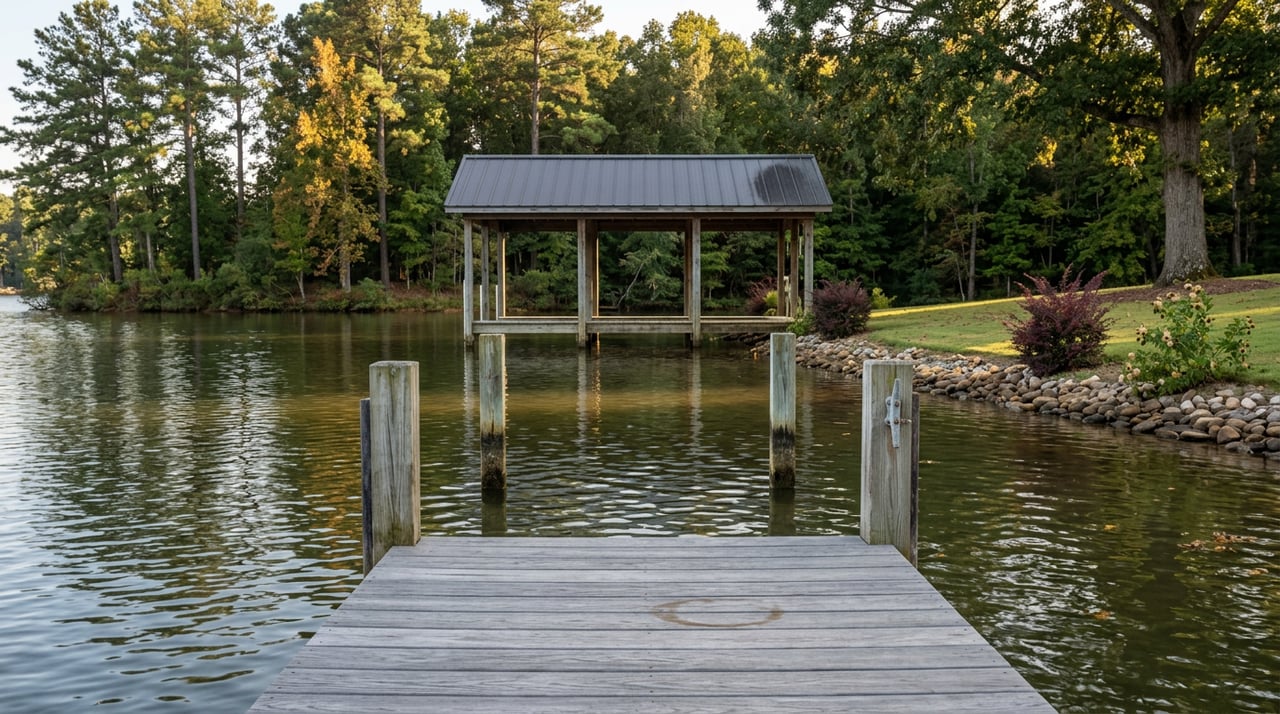
Some land near Double Springs may connect to Smith Lake shoreline or Alabama Power-managed land. If that is the case, shoreline rules need to be part of your buying decision before you make plans for a dock, pier, grading, or other improvements.
Alabama Power requires a written permit before construction or repair work on fee-owned or flood-easement lands. Its guidelines cover items like docks, piers, boathouses, grading, and elevated single-family structures. Alabama Power also says it may require a deed and current survey during the permit process, so those documents become especially important for lake-adjacent land.
Review buildability before you fall in love
A beautiful recreational tract is not always a good cabin tract. Some properties work well for hunting, trails, or weekend use but are much harder to improve for long-term stays or future building. That is why buildability should be your next filter after access and title.
Because the Forest Service describes Bankhead terrain as steep and dissected, many tracts in the Double Springs area may be better suited to low-impact recreation than to a broad, easy homesite. That does not mean a parcel cannot be built on. It simply means you should verify the usable areas instead of assuming the land will support your plans.
Focus on septic first
If you want a cabin or campsite with more than basic temporary use, septic feasibility matters. The Alabama Department of Public Health requires permits for onsite sewage systems, and the Winston County Health Department directs people to its environmental office for septic tank questions.
That means septic is not something to guess about based on what the seller says or what nearby properties have. Soil conditions and site layout matter. Before you buy, make sure you understand whether the property can support the type of onsite sewage system your plans require.
Do not overlook water testing
If a tract will depend on a private well, water quality becomes your responsibility as the owner. ADPH says private well owners should test regularly, and well samples can be submitted through the county health department or directly to the state lab.
For buyers, this is a due diligence issue, not a post-closing project. If safe water matters to your intended use, it should be part of your evaluation before you finalize the purchase.
Use maps and soil tools wisely
Two free tools can help you better understand rural land before buying. The NRCS Web Soil Survey provides soil and land-use information, and FEMA’s Flood Map Service Center is the official source for flood-hazard information.
These tools can help you think through practical questions like where a driveway might work, whether a low area may hold water, and which parts of the land may be more suitable for recreation than building. They are especially useful when you are comparing multiple tracts and trying to narrow down your best option.
Match the land to your real use case
Many buyers start by saying they want recreational land, but that can mean very different things. Your ideal property for hunting may not be the same as your ideal property for family camping, retirement plans, or lake access. Getting clear on your real use case can save time and money.
For example, a steep wooded parcel may be perfect for trails and privacy but less practical for a future cabin. A tract closer to water access may fit your boating goals but bring added shoreline rules. The right property is usually the one that best matches how you actually plan to use it most often.
Good questions to ask yourself
- Will you use the land mainly for hunting, camping, or riding?
- Do you want water access nearby?
- Are you hoping to build now, later, or not at all?
- Do you need room for a driveway, cabin site, or utility installation?
- Are you comfortable with a tract that is more rugged than build-ready?
Know the hunting rules that affect your plans
If hunting is a major reason you are buying, you need to look beyond acreage alone. Alabama rules can affect how, where, and under what conditions you use the property.
Outdoor Alabama states that resident landowners and their immediate resident family may hunt their own property without a hunting license, while non-resident owners must buy a non-resident hunting license. Alabama also requires a bait privilege license to hunt deer or feral swine over bait, and baiting is prohibited on public lands.
There is also a dwelling-setback rule to keep in mind. Hunting within 100 yards of another person’s dwelling without permission is prohibited in Alabama. If a tract has neighboring homes nearby, that rule can affect where hunting can realistically happen on the property.
Public-land access can be a bonus, not a shortcut
Land near public hunting areas can be very attractive, but it is important to stay realistic. Bankhead National Forest offers significant public hunting acreage, and Black Warrior WMA includes 91,263 acres in Lawrence and Winston counties near Moulton.
Still, nearby public land does not automatically create legal road access to your tract, and it does not give unlimited use rights. For WMA hunting, Alabama says hunters need the appropriate hunting license, WMA license, and AREA permit or daily permit before beginning a hunt. Public-land proximity can add value to your lifestyle, but it should not replace private access and use verification.
A simple buying checklist
Before you make an offer on recreational land near Double Springs, try to confirm these points:
- Recorded legal access
- Chain of title and recorded easements
- Boundary clarity and survey needs
- Septic feasibility
- Water source and well-testing plan
- Flood-hazard review
- Soil and drainage conditions
- Shoreline permit issues, if applicable
- Hunting and use rules that match your plans
A careful review upfront can help you buy land that fits your goals instead of land that creates avoidable headaches.
If you are looking at recreational acreage near Double Springs, local guidance can make a big difference. The team at Sherry Pruitt Real Estate understands the practical details that often come with rural land, from access questions to property-use planning, and can help you evaluate your options with confidence.
FAQs
What makes recreational land near Double Springs appealing?
- Double Springs offers access to the Bankhead Ranger District and nearby outdoor activities such as hiking, fishing, wildlife viewing, boating, camping, horseback riding, off-highway vehicle trail riding, and mountain biking, along with access to Smith Lake recreation through Clear Creek Recreation Area.
Why is legal access important when buying land near Double Springs?
- Legal access matters because a tract can appear easy to reach but still lack recorded access rights, which can affect your ability to use, finance, or improve the property.
What county office helps verify land records in Winston County?
- The Winston County Probate Office records deeds, mortgages, liens, and other public documents, making it a key resource for checking title history and recorded easements.
What should you check before building a cabin on recreational land near Double Springs?
- You should review septic feasibility, water access or well plans, soil conditions, drainage, flood-hazard information, and whether the terrain supports a practical building site.
What should buyers know about septic systems on Winston County land?
- Onsite sewage systems require permits under Alabama Department of Public Health rules, and the Winston County Health Department’s environmental office handles local septic-related questions.
What should buyers know about private wells on rural land in Alabama?
- Private well owners are responsible for water quality, and ADPH recommends regular testing, so buyers should include water testing in their due diligence.
Do Smith Lake shoreline properties near Double Springs have extra rules?
- Yes. If a tract touches Smith Lake shoreline or Alabama Power-managed land, written permits may be required for certain construction or repair work, including docks, piers, grading, and related improvements.
What hunting rules matter when buying recreational land in Alabama?
- Key rules include Alabama’s 100-yard dwelling setback without permission, licensing rules for resident and non-resident landowners, and bait privilege requirements for hunting deer or feral swine over bait, with baiting prohibited on public lands.