Are you thinking about buying a small commercial building in Jasper? It can be a smart move, but it is also the kind of purchase where the details matter early. If you want to avoid surprises with zoning, building condition, parking, or future leasing plans, it helps to know how Jasper’s commercial areas are laid out and what the city expects. Let’s dive in.
Start With Jasper’s Commercial Pattern
Jasper does not have just one type of commercial area. Small commercial property tends to cluster in a few distinct parts of the city, and each one fits a different kind of use. That matters because the right building for your idea depends on more than price alone.
Downtown Jasper is the clearest small-commercial core. The historic district is centered around the courthouse square, roughly bounded by 17th Street, Corona Avenue, 20th Street, and 8th Avenue, and 19th Street has historically served as the primary commercial and financial corridor. The area is flat and has sidewalks throughout, which supports walkable storefront and mixed-use buildings.
Outside downtown, Jasper’s comprehensive plan points to State Route 5, the former US 78 corridor, as a primary image corridor. It also highlights the western I-22 interchanges, especially exits 65 and 63, as places where infrastructure is already in place and more commercial development is expected. The plan also identifies neighborhood commercial centers and the south Jasper and Industrial Parkway growth area as future business concentration points.
Match the Property to Your Use
One of the biggest mistakes buyers make is shopping by building size first and use second. In Jasper, that can lead you toward the wrong area, the wrong layout, or a property that creates avoidable approval issues. A better approach is to define your intended use before you start comparing listings.
If you want a walkable storefront, office, or mixed-use setup, downtown may be the best fit. If you need visibility from a busier road, easier vehicle access, or space for service-related business activity, corridor locations may make more sense. Jasper’s land use planning clearly treats these areas differently.
The city supports a compact downtown mixed-use pattern with commercial, residential, recreational, and institutional uses. It also states that shopping and dining should be at the heart of downtown, while other business uses can fit on upper floors or along the edges. Higher-density residential may also be appropriate in upper stories and at the edges of commercial centers, which can make a small multi-tenant or live-work concept worth exploring.
Corridor sites have a different role. General commercial uses are concentrated along former US 78 and near I-22, and auto-oriented businesses may be appropriate when designed to reduce traffic, light, noise, and conflicts with nearby uses. That tells you these locations are often better suited to convenience, service, and auto-related tenants than quieter downtown-style users.
Know the Building Types You May Find
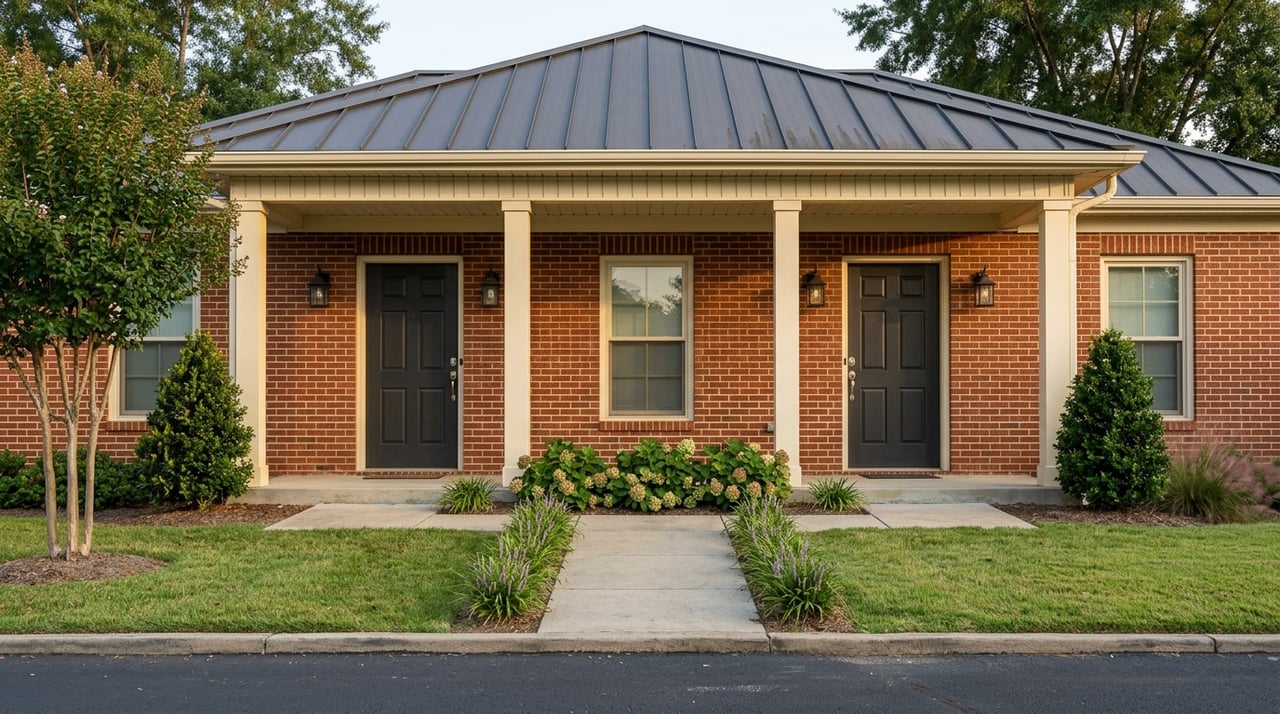
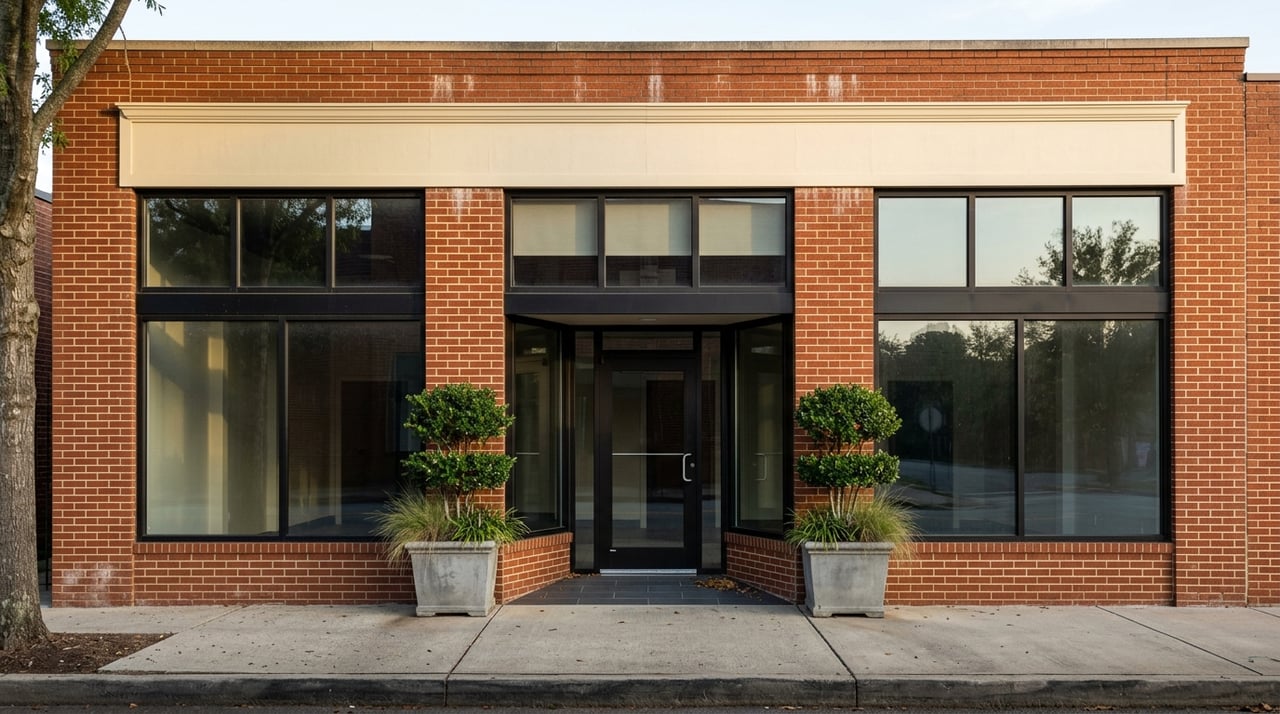
Jasper’s small commercial inventory is not all the same. In the downtown historic district, the building stock includes commercial blocks, office buildings, garages, warehouses, gas stations, one hotel, one theater now used commercially, and some residential and governmental buildings. For many buyers, that means older one- and two-story masonry or block buildings instead of newer suburban strip-center spaces.
That older building stock can create opportunity. You may find character, central location, upper-floor space, or flexible layouts that support more than one tenant. At the same time, older buildings often require closer review for code compliance, renovation scope, and access updates before you commit.
Check Zoning at the Parcel Level
Zoning should be one of your first checkpoints, not one of your last. Jasper’s zoning code identifies main commercial districts such as B-T, B-1, B-2, B-3, and B-4, but the code also makes an important point: a use that is allowed in a district may still not be allowed on every parcel. In other words, the zoning label alone does not tell the whole story.
Before you make an offer, verify the zoning on Jasper’s interactive zoning map and confirm your intended use with planning staff. The Planning Department handles rezoning, conditional uses, variances, and special exceptions. That means you should never assume a current use automatically transfers cleanly to a new owner or future tenant.
This step is especially important if you are buying for investment. A building may look perfect for lease income on paper, but if your expected tenant type needs approvals you have not researched, your timeline and budget can change quickly.
Look Beyond the Building Itself
A small commercial purchase is about more than four walls and a roof. Jasper’s comprehensive plan gives useful clues about what the city values in commercial site layout. In general, commercial areas should have sidewalks on both sides of the street, parking to the side or rear, and fewer curb cuts on highway corridors.
That tells you access and layout matter. You should pay close attention to how customers, tenants, delivery vehicles, and employees would enter and use the property. A building with limited parking, awkward traffic flow, or poor access may create long-term operating headaches even if the purchase price looks attractive.
When you walk a site, consider questions like these:
- Is parking on-site, shared, or street-based?
- Is access easy from the main road?
- Are there multiple curb cuts or limited entry points?
- Does the layout fit customer traffic, deliveries, or tenant needs?
- Would side or rear parking support the use better than front parking?
Plan for Permits and Building Code Review
If you expect to renovate, divide space, or change the use, start your building review early. Jasper’s Building Inspections Department helps owners and contractors obtain permits and inspections for renovation and new construction. The city currently applies the 2024 International Building Code, 2024 IRC, 2024 IMC, 2024 IPC, 2024 IFGC, 2024 NEC, the 2024 International Fire Protection Association Code, and the 2017 ICC/ANSI A117.1 standard.
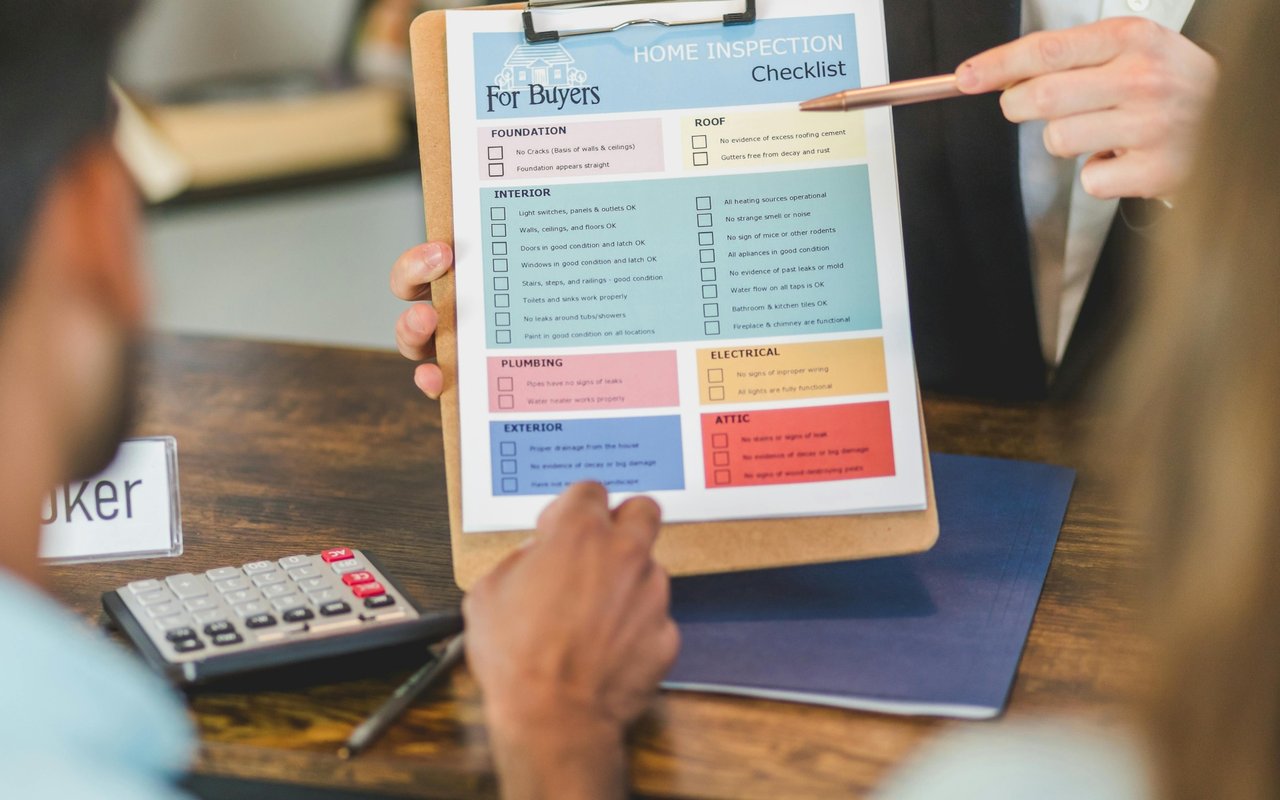
That is a strong reason to involve the right inspectors and contractors before you close, not after. Even a smaller building can need updates related to electrical systems, plumbing, mechanical systems, fire protection, or accessibility depending on your plans. The earlier you understand that scope, the better you can negotiate and budget.
Don’t Skip Ownership, Tax, and Flood Checks
Due diligence should include public record review. Walker County Revenue maintains property maps and record cards with parcel identification numbers, and those records can be accessed online. The county also notes that taxes become delinquent after December 31, so tax status is worth confirming before you move forward.
This part of the process helps you verify ownership history, parcel boundaries, and tax standing. It can also help you catch mismatches between what is being marketed and what public records show. That matters even more when you are looking at older buildings or properties that may have changed use over time.
Flood risk is another smart check. ADECA directs users to FEMA’s Flood Map Service Center for current flood maps, and this is a practical step for older commercial buildings, mixed-use sites, low-lying lots, or properties with drainage or basement concerns. Flood review may affect insurance costs, renovation planning, and your comfort level with the site.
If You Plan to Lease, Treat Licensing as a Priority
If your goal is to buy and lease the property, do not leave licensing for later. Jasper requires a business license for any commercial or industrial activity within city limits, including the lease of residential or nonresidential real estate. For small investors, that makes licensing part of the purchase checklist.
This is easy to overlook when you are focused on closing. But if your strategy depends on getting a tenant in place quickly, you want to know the city requirements before you own the building. That kind of preparation helps protect your timeline and your expected return.
Be Cautious in the Historic District
If a property sits inside the Jasper Downtown Historic District, take extra care before planning exterior changes. The district is listed on the National Register and is roughly bounded by 17th Street, Corona Avenue, 20th Street, and 8th Avenue. Older downtown buildings can be appealing, but they may also require closer coordination when changes affect the exterior or involve incentive-based rehabilitation.
The safest move is to ask the city and any applicable preservation contacts early in your due diligence. That simple step can help you avoid redesigns, delays, or assumptions that do not fit the property’s context.
A Smart Buying Strategy for Jasper
The strongest small commercial buyers usually enter the process with a clear plan. They know the type of business or tenant they want, they understand whether downtown or corridor property is a better fit, and they review zoning, access, permits, licensing, and building condition before negotiating too far.
In Jasper, that kind of preparation matters because the city’s commercial areas serve different purposes. Downtown tends to support walkable mixed use, while former US 78, I-22 areas, and other growth corridors may fit higher-traffic commercial activity. When you match the property to the use from the start, you give yourself a much better chance of making a confident and practical decision.
If you are weighing a small commercial purchase in Jasper and want local guidance from a team that values clear communication and careful details, Sherry Pruitt Real Estate is here to help.
FAQs
What should you check before buying small commercial space in Jasper?
- You should confirm zoning, intended use, parking and access, building condition, permit needs, tax status, ownership history, flood risk, and any licensing requirements before making a final commitment.
Where is small commercial property concentrated in Jasper?
- Small commercial property is most clearly concentrated in downtown Jasper, along State Route 5 or former US 78, near western I-22 exits 65 and 63, in neighborhood commercial centers, and in the south Jasper and Industrial Parkway growth area.
What types of commercial buildings are common in downtown Jasper?
- Downtown Jasper commonly includes older one- and two-story masonry or block buildings such as storefronts, office buildings, garages, warehouses, and other historic commercial structures.
Does Jasper zoning allow every commercial use on every commercial parcel?
- No. Jasper’s zoning code states that a use allowed in a zoning district may still not be allowed on every parcel, so lot-specific review is important.
Do you need a business license to lease commercial property in Jasper?
- Yes. Jasper requires a business license for commercial or industrial activity within city limits, including the lease of nonresidential real estate.
Why does the historic district matter when buying commercial property in Jasper?
- If a property is inside the Jasper Downtown Historic District, exterior changes or rehab planning may require extra review, so it is wise to ask the city and applicable preservation contacts early in the process.