Wondering why one tract near Hamilton gets serious buyer interest while another sits for months? Land is different from selling a house, and pricing it right takes more than picking a number by the acre. If you want to attract qualified buyers and protect your value, it helps to understand what really drives land prices, what records to verify first, and how to present the property clearly online. Let’s dive in.
Price land by use and features
A common mistake is pricing land by acreage alone. In reality, land near Hamilton can vary widely in value based on how it can be used and what physical features it offers. A small tract with road frontage and utilities may appeal to a very different buyer than a larger wooded parcel with limited access.
Alabama appraisal guidance points to several factors that matter when valuing land. These include location, topography, shape, accessibility, road frontage, utility availability, drainage, soils, easements, encumbrances, and features like wells, septic field lines, timber, crops, or mineral-related items when relevant. Land is also evaluated as vacant at its highest and best use.
Look beyond price per acre
Price per acre can be a helpful starting point, but it should not be the whole strategy. Two 20-acre tracts near Hamilton can have very different market values if one has better access, flatter terrain, or a more practical homesite.
That is why your list price should reflect the property’s real-world strengths and limits. Buyers often compare land carefully, especially when they are looking at rural acreage, timberland, recreational property, or a future homesite.
Document physical advantages early
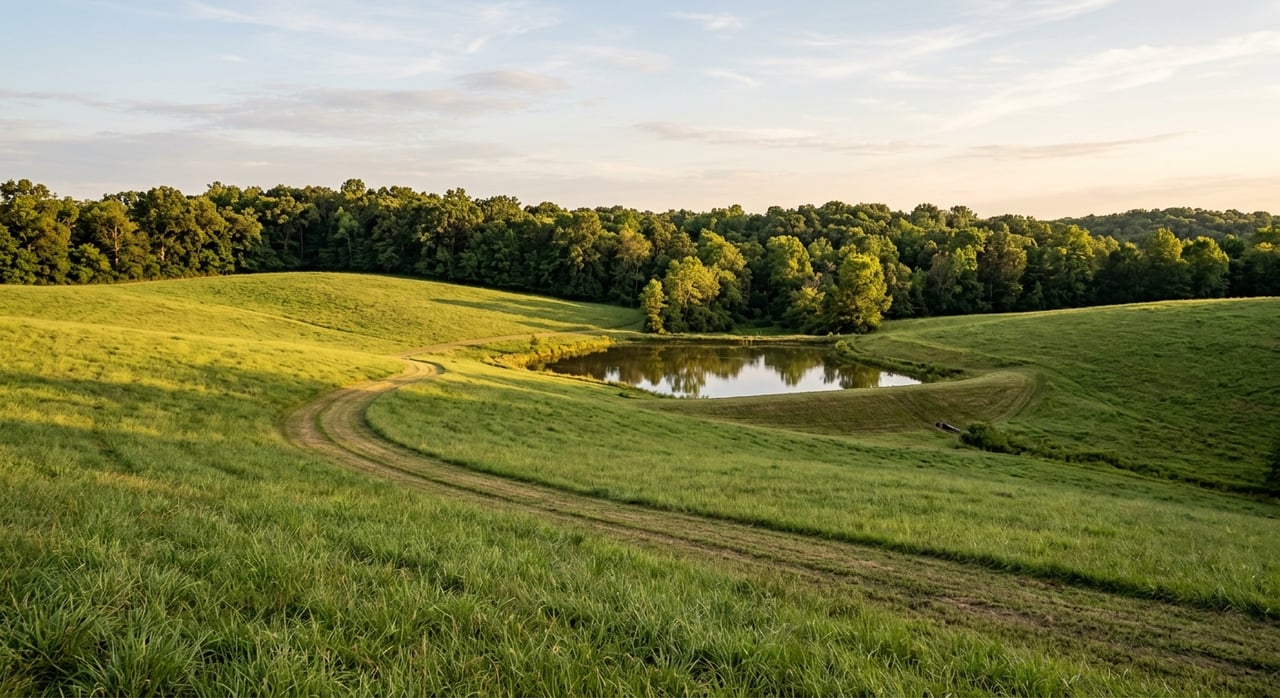
Before the property goes live, it helps to identify the features that support value. This may include paved road access, useful frontage, cleared areas, tree cover, water features, favorable terrain, or the presence of utilities nearby.
If the tract is agricultural or timberland, soils and drainage can matter just as much as location. For some smaller parcels, Alabama current-use rules may also require photos, surveys, or other verification, which makes early documentation even more important.
Check Marion County records first
Before setting a price, confirm what public records show. In Alabama, tax maps and GIS layers are important for identifying property dimensions and area, and county mapping systems help track parcel boundaries, survey lines, and easements.
For land near Hamilton, Marion County’s GIS maps, tax records, and deed information are a smart first stop. These records can help you verify acreage, parcel layout, and details that may affect how the property should be priced and marketed.
Confirm boundaries and easements
Legal access can have a major effect on value. A tract with clear road access is not the same as a tract reached only by a trail, shared drive, or informal route.
You will also want to check for easements and other encumbrances. These can affect how a buyer uses the property and may change how attractive the tract looks compared with competing listings.
Review zoning and subdivision rules
If the land is inside the City of Hamilton, local zoning and subdivision rules apply. If the land is elsewhere in Marion County, the county engineer’s office handles the county floodplain ordinance and subdivision plan review.
That means buildability questions should be addressed early. If a buyer wants to build, divide, or improve the property, local rules and review processes may shape what is possible.
Check floodplain status early
Floodplain concerns should never be treated as an afterthought. FEMA’s Flood Map Service Center is the official public source for flood-hazard information, including flood zones, floodplain boundaries, and base flood elevations.
If part of the tract falls in a floodplain, that does not automatically make it unsellable. It does mean you should understand the impact on use, access, and buyer expectations before the listing is active.
Understand current-use tax issues
For rural acreage in Alabama, current-use taxation can matter. Farm and timberland may be taxed based on actual use rather than speculative future use, and current-use value is tied to the property’s use on October 1.
This can be important for both pricing and buyer conversations. A property that currently benefits from current-use treatment may look different to a buyer once future tax implications are considered.
Know when buyers must reapply
New owners do not automatically keep current-use status. Alabama requires new owners to apply again between October 1 and January 1.
That is a key point to communicate clearly. It can help buyers plan ahead and avoid surprises after closing.
Be aware of rollback taxes
Rollback taxes can apply if land is converted to a non-qualifying use within two years of sale. If your tract has current-use status now, this issue should be reviewed before marketing begins.
Clear information helps buyers make informed decisions. It also helps you avoid confusion that could slow down negotiations later.
Use closed sales for pricing
The best support for your asking price comes from recent closed sales, not from active listings alone. Closed sales show what buyers actually paid for similar land in the market.
Alabama appraisal guidance says land value should be supported with at least three market comparables. Those comparables should be similar in acreage, access, utility availability, terrain, and likely use.
Match the right property type
A wooded 20-acre tract without utilities should not be priced against a cleared homesite with power, water, and septic already in place. Those differences can create pricing gaps that are too large to ignore.
The goal is to compare like with like as closely as possible. If major adjustments are needed, that usually means the comparable sale may not be ideal.
Separate land from extras
Some tracts include more than raw land value. Timber, crops, improvements, easements, or other special rights may contribute to the overall price.
When those features are present, they should be considered separately instead of being blended into a simple per-acre estimate. That creates a more accurate price and a more credible listing strategy.
Market land with strong visuals
Once pricing is in place, presentation matters. Land buyers often begin their search online, and visual information helps them understand a property much faster than a text description alone.
According to the research provided, 81% of buyers rated listing photos as the most useful feature in their online search. That matters even more with land, where boundaries, terrain, and surroundings can be harder to picture.
Use maps and aerial views
Parcel maps and aerial images help buyers understand layout, road access, and the property’s relationship to nearby roads or landmarks. This is especially useful for rural tracts where the shape and setting are part of the value.
A strong land listing near Hamilton should make it easy for buyers to see where the tract sits and how it lays. The clearer the presentation, the easier it is for serious buyers to decide whether to take the next step.
Show access and usable areas
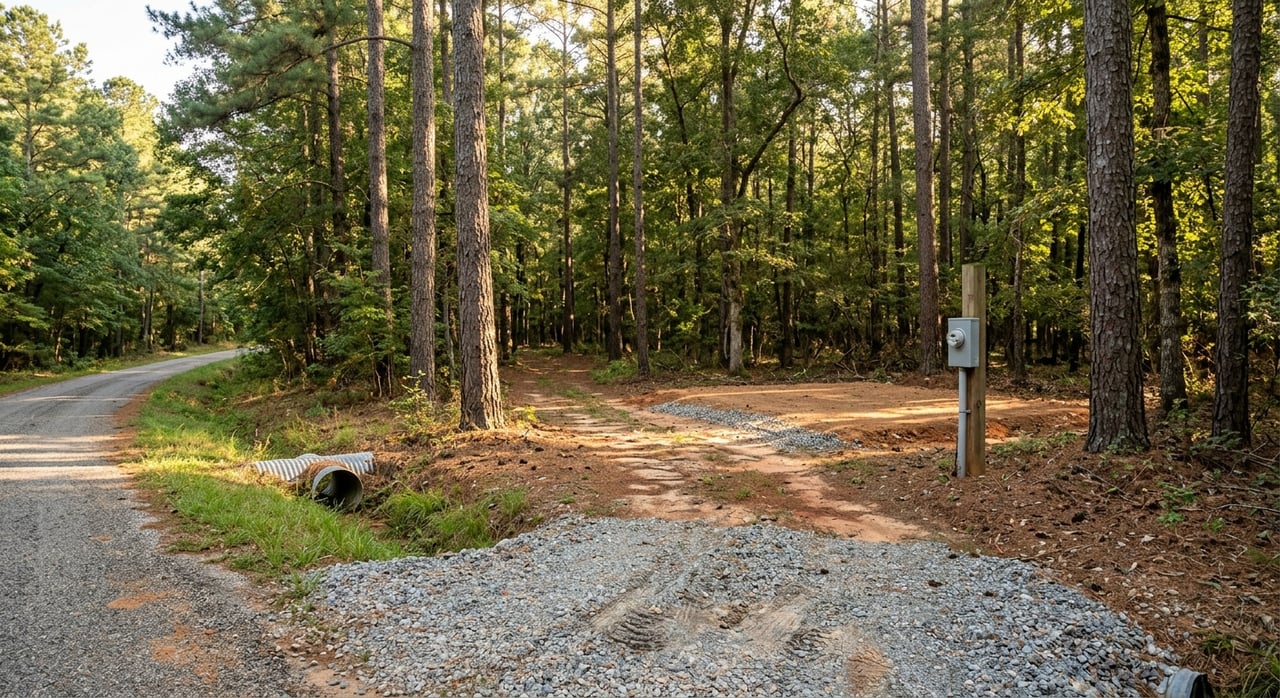
Photos and video should highlight the features buyers care about most. That may include entry points, clearings, tree cover, trails, creek areas, open ground, or likely homesites.
The goal is to answer practical questions before a buyer even calls. If they can quickly understand the tract, you are more likely to attract informed interest.
Keep marketing accurate
Strong visuals should inform, not mislead. If photos or drone images are used, they should reflect the property honestly and clearly.
If drone imagery is captured for business purposes, FAA Part 107 rules apply. That includes the requirement for a Remote Pilot Certificate, and some flights in controlled airspace may require authorization.
Answer buyer questions upfront
The best land listings do more than advertise acreage. They help buyers quickly understand whether the tract fits their goals and whether there are any issues they need to weigh.
When you answer common questions early, you build trust and reduce back-and-forth later. That can make the sale process smoother for everyone involved.
Key details to clarify
- Is there legal road access?
- Are utilities available, or would a buyer need a well, septic system, or another setup?
- Is any part of the land in a floodplain?
- Do city zoning or county subdivision rules affect what can be built?
- Does the property qualify for current-use taxation?
- Could a future change in use trigger rollback taxes?
- Which recent closed sales truly compare once access, terrain, acreage, and utilities are matched?
A smart land sale starts with preparation
Selling land near Hamilton is usually not about listing fast and hoping for the best. It is about documenting the tract, verifying public records and local rules, pricing from strong comparable sales, and marketing the property in a way buyers can understand quickly.
That kind of preparation can help you avoid overpricing, reduce confusion, and attract better-qualified interest. If you are thinking about selling land, acreage, timberland, or a future homesite near Hamilton, a local team that understands rural property details can make a real difference. Schedule a consultation today with Sherry Pruitt Real Estate.
FAQs
How should you price land near Hamilton, Alabama?
- The best approach is to price land based on recent closed sales and the tract’s actual features, including access, road frontage, terrain, utilities, soils, drainage, and likely use.
What records should you check before listing land in Marion County?
- You should review Marion County GIS maps, tax records, deed information, parcel boundaries, survey lines, easements, floodplain details, and any local zoning or subdivision rules that may affect use.
Does current-use taxation matter when selling land near Hamilton?
- Yes. Farm and timberland in Alabama may qualify for current-use taxation, new owners must reapply between October 1 and January 1, and rollback taxes may apply if the land is converted to a non-qualifying use within two years of sale.
Why are closed sales better than asking prices for valuing Hamilton-area land?
- Closed sales show what buyers actually paid for similar property, while asking prices only show what sellers hope to get.
What marketing works best for land near Hamilton, Alabama?
- Clear listing photos, parcel maps, aerial views, and accurate video of access, terrain, tree cover, water features, and usable areas usually help buyers evaluate land faster online.