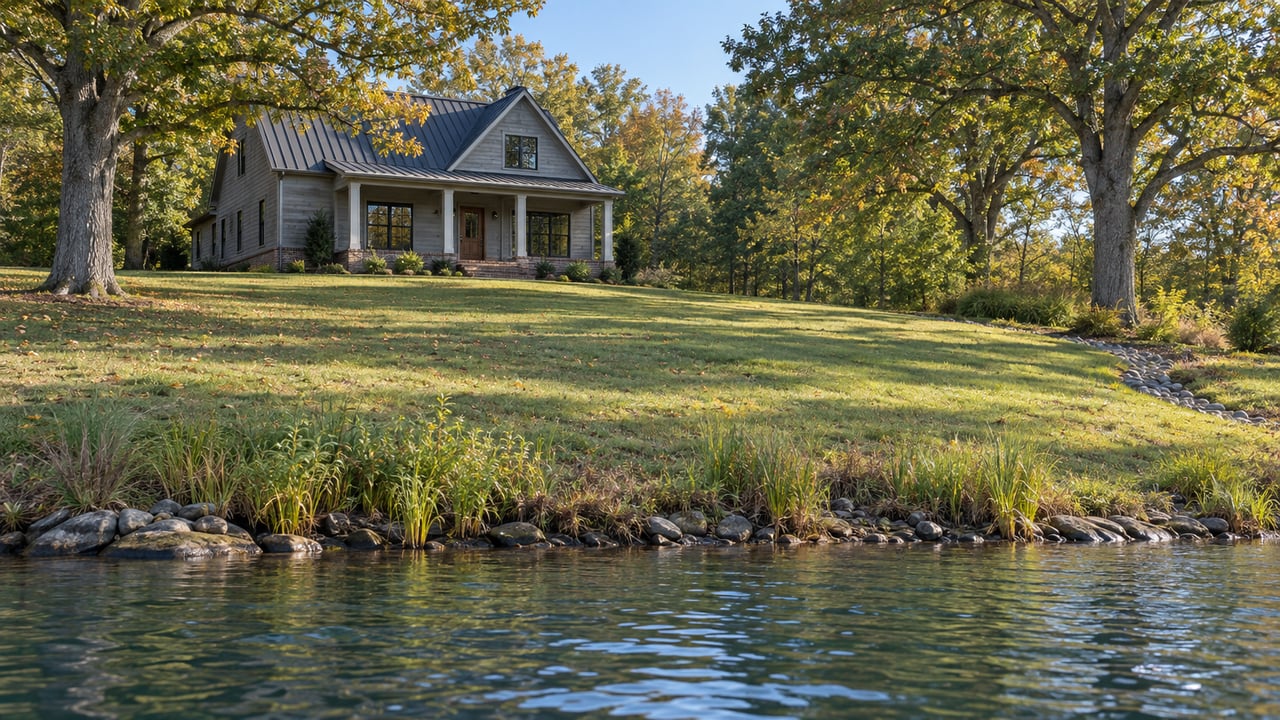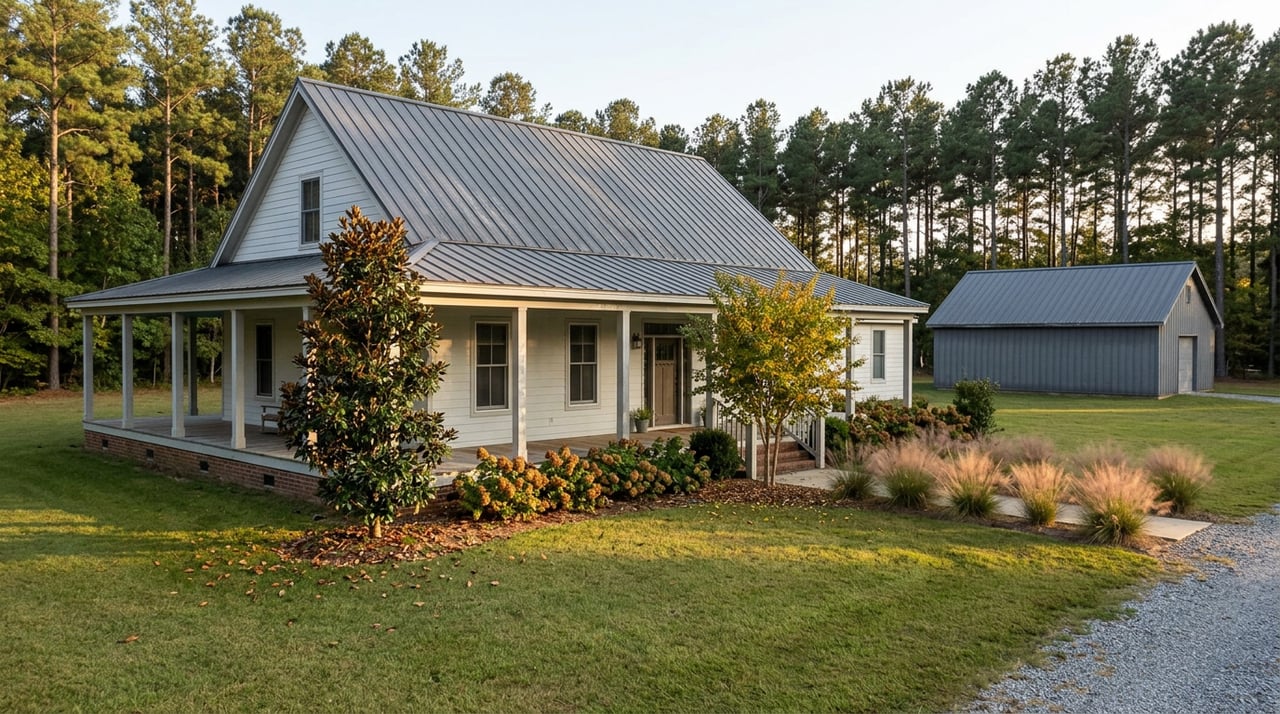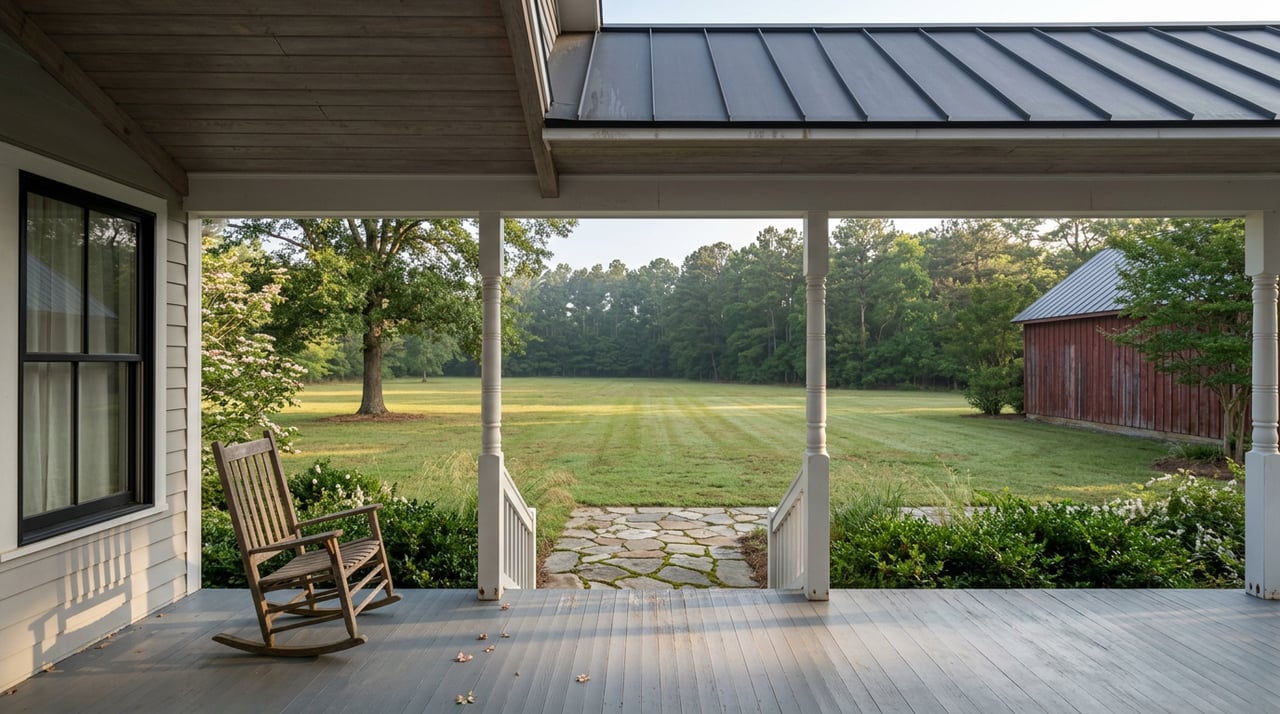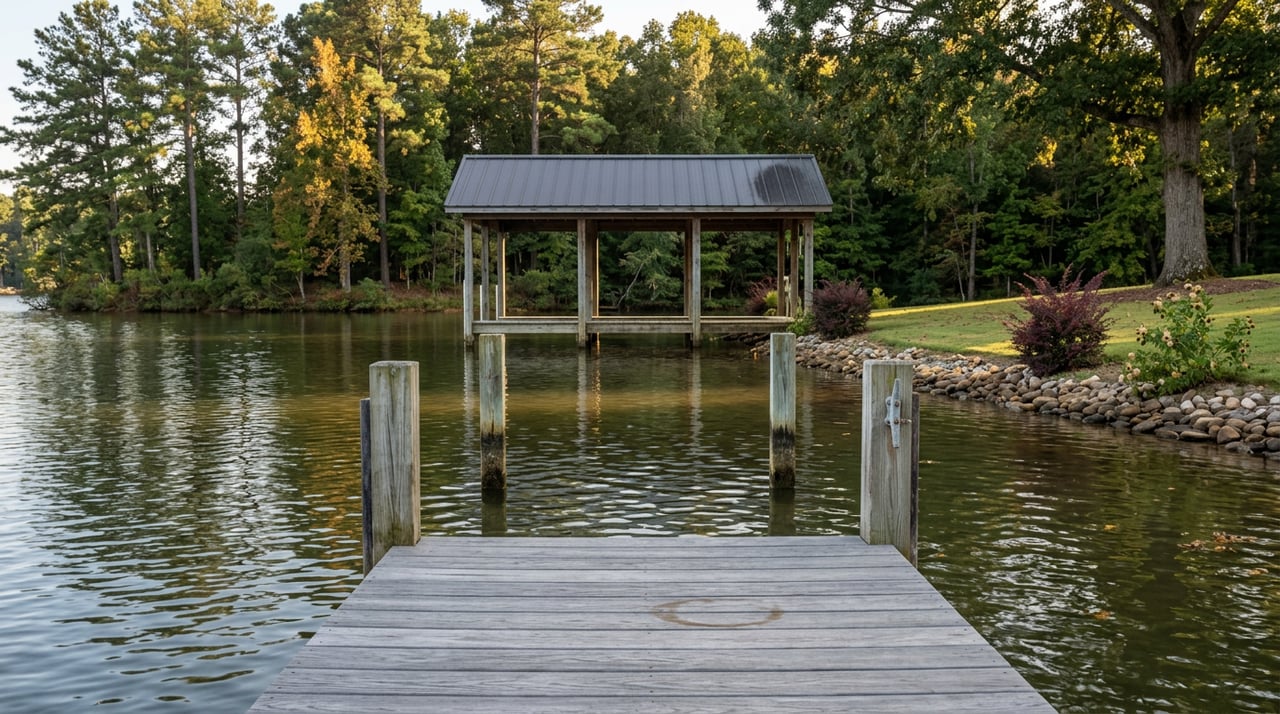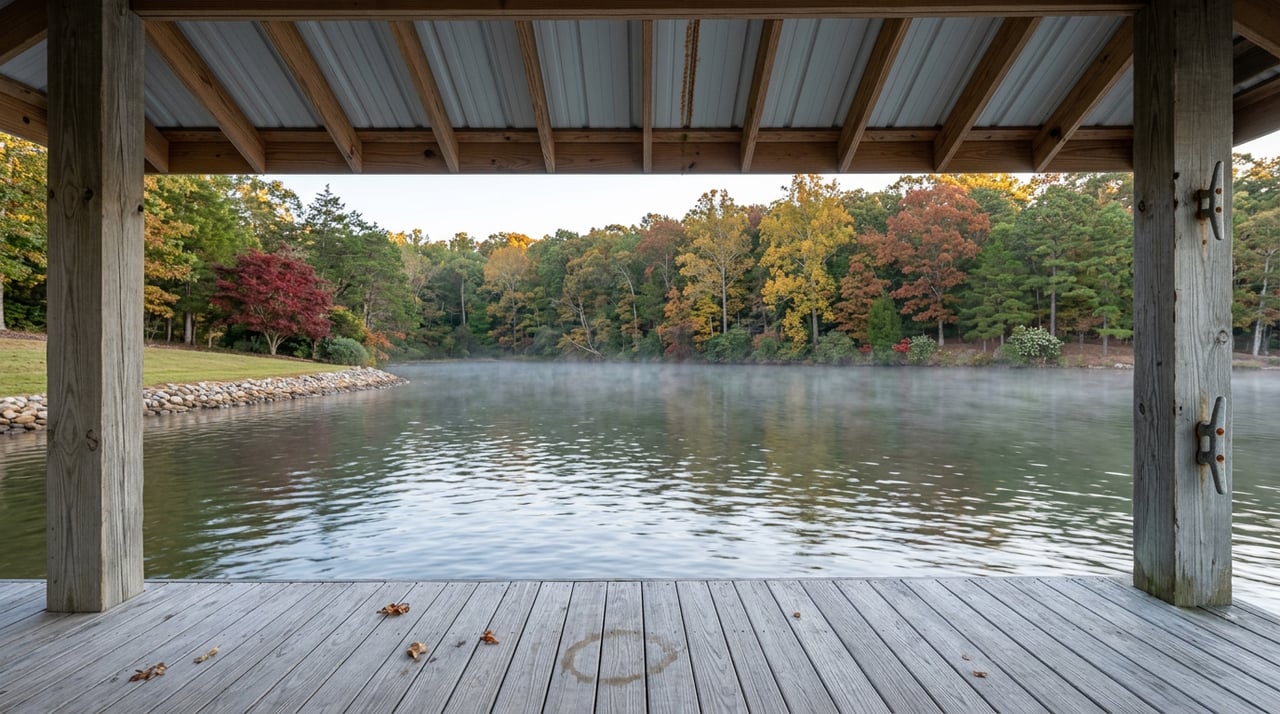
Every year the same thing happens on the water around Duncan Bridge and Wilson Bend. The pontoon traffic that clogs the coves all July thins out almost overnight, and by the second week of September you can hear your own outboard again. Most people chalk this up to summer ending. That is only half the story. What actually happens on the Arley side of Smith Lake after Labor Day is less a slowdown than a swap: the visitors who came for a weekend on the water leave, and the parts of Arley that were always here just get room to breathe again.
If you have lived on this side of the lake for more than one season, you already know the feeling. What's worth spelling out is why it happens here specifically, and why the next six weeks are arguably the best stretch of the year to be an Arley local rather than a visitor passing through.
Labor Day Is the Hinge, Not the Ending
The clearest marker of the seasonal turn isn't a date on a calendar. It's the Sweet Tater Festival, held every Labor Day weekend at Smith Lake Park on the Cullman side of the lake. It's not an Arley event, but it functions as the unofficial closing bell for the whole lake's peak season, the kind of gathering that pulls in day-trippers from every cove before everyone quietly goes back to their own side of the water for the fall.
That timing lines up with what the water itself does. September on Smith Lake tends to bring warm water, lighter boat traffic, and softer rental rates all at once, a combination that rarely happens during the June and July stretch when all three run in the opposite direction. For a lake resident, that means the water is still swimmable and the fishing is still active, but the crowd that shows up to enjoy both has already thinned by half.
What Actually Empties Out, and What Doesn't
Here's the part that surprises people who assume "quiet season" means everything shuts down. The businesses that depend on day-trip boat traffic feel the change fast. The ones built around a regular local clientele barely notice.
Arley Coffee Shop is a good example of the second category. Regulars order takeout from there month after month, year after year, the kind of pickup habit that has nothing to do with tourist season. The same goes for a handful of other spots that keep Arley fed regardless of the season:
- Chef Troy's Talk of the Town, a sit-down option locals treat as a regular rotation stop, not a special occasion
- La Plaza Bonita, the town's go-to for Mexican food
- Soda Shop 41, known locally for fast, friendly counter service
- The Farmhouse Restaurant, a fresh-cooked plate-lunch kind of place
- Lakeshore Inn Restaurant, which straddles the line between local diner and lake-view stop
None of these were built to catch weekend renters coming off a boat. They were built to feed the town, which is exactly why they don't disappear when the renters do.
The Fishing Doesn't Slow Down. It Gets Better.
If you only think about Smith Lake in terms of boat traffic, you'd assume fall means less activity on the water. Anglers know the opposite is true. September and October bring some of the best bass fishing conditions of the year here, with spotted bass responding well to finesse presentations worked along the lake's rocky shorelines and steep drop-offs, exactly the kind of structure that defines the water around Arley.
This isn't a minor regional claim. Smith Lake hosted a Bassmaster Elite Series tournament in 2024, the kind of national-level competition that only comes to a lake with a serious reputation among competitive anglers. That reputation is built disproportionately on water like the Arley stretch, which includes Duncan Bridge, Sway Back Bridge, and Wilson Bend, some of the most sought-after fishing channels on the entire lake. The boat traffic that competes for that same water all summer is exactly what disappears first once September hits.
The Dry-County Rule Nobody Explains Out Loud
There's a detail about the Arley side that longtime residents navigate without thinking twice, but it's worth naming plainly because it shapes who ends up here in the first place. Winston County, like Cullman County across the water, is dry. No alcohol is sold on this side of the lake, and getting caught with it on the water in these counties carries fines north of $500. That's a real deterrent, and it's a large part of why the crowd on the Jasper side of Smith Lake, in Walker County where alcohol sales are legal, tends to look and feel different from the crowd around Arley.
The practical effect is a kind of self-selection. The Arley side pulls in anglers, repeat visitors who already know the water, and people looking for genuine seclusion rather than a party atmosphere. That's not a value judgment on either side of the lake. It's just a structural reason why Arley earned its local nickname, the "Heart of Smith Lake," for a shoreline that's quieter and more rural than most of the rest of the reservoir, bordered by the Bankhead National Forest on multiple sides.
| Lake area | What it's known for |
|---|---|
| Crane Hill | Easy access, family-friendly |
| Arley | Anglers, seclusion, serious fishing water |
| Cullman/Bremen | Full town services nearby |
| Double Springs | Maximum quiet, Bankhead hiking access |
| Jasper (Walker County) | Alcohol sales, more developed nightlife |
Arley's spot on that list isn't an accident. It's the direct result of geography, county line, and a shoreline shape locals already know by heart, literally, since the town sits on a heart-shaped bend of the lake.
Trail Season Opens Right When Boat Season Closes
The same crowd math that empties out the coves also opens up the land side of things. Corinth Recreation Area, a short drive from town, sits close enough to the Sipsey Wilderness that hikers can reach multiple waterfall trails within five or six miles of the campground itself. Clear Creek Recreation Area, the most popular campground near Arley according to camper reviews, offers the same kind of quiet trail access. Both stay open well past the point most lake visitors have packed up their boats for the year, and fall is when the tree cover along those trails starts turning, right alongside the bass fishing picking up on the water below.
For residents, this is the stretch where Arley functions less like a summer lake town and more like what it actually is: a small, rural community that happens to sit on one of the best fishing lakes in the South, with a national forest at its back door.
The Quiet Season Is the Real One
The version of Arley that shows up in July, full of rental boats and weekend traffic through the coves, isn't wrong exactly. It's just temporary. The version that settles in after Labor Day, with Arley Coffee Shop filling the same pickup orders it always has, the water still warm enough to fish, and Duncan Bridge and Wilson Bend back to a manageable hum, is closer to what this place actually is the rest of the year.
If you're already living here, none of this is news exactly. But naming it clearly is worth doing, because the six weeks after Labor Day are the best case Arley makes for itself all year, without anyone from outside town around to see it.
If you're weighing a move to this side of the lake, or thinking about what your own property here might be worth heading into a quieter season, the team at Sherry Pruitt Real Estate knows this stretch of Smith Lake as well as anyone. Schedule a consultation today.